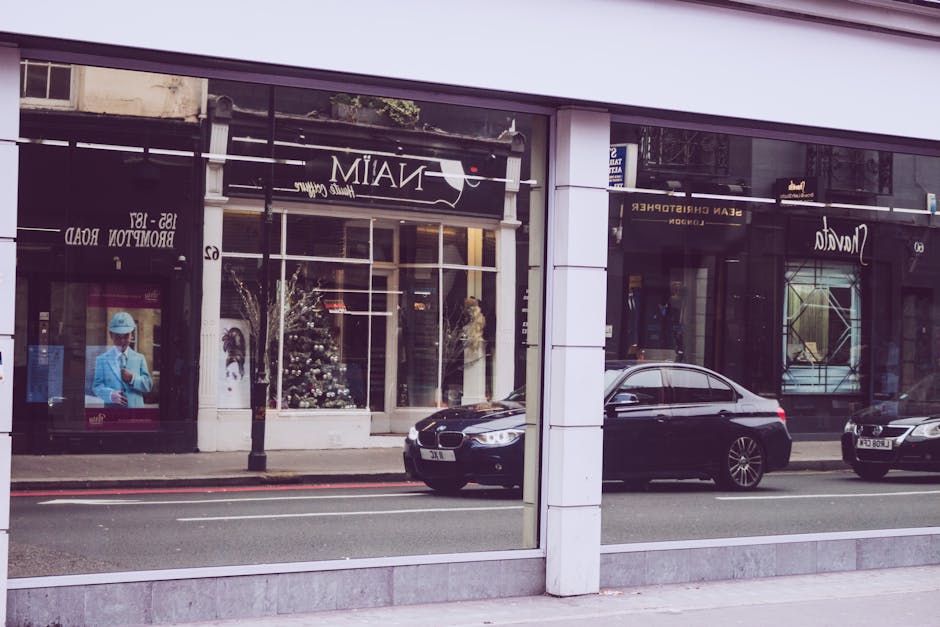
St James Street office cleaning solutions for Walthamstow shops
If you run a shop near St James Street, you already know the rhythm of the area: early deliveries, footfall from commuters and locals, a bit of dust from the day, then the evening reset. St James Street office cleaning solutions for Walthamstow shops are about more than making a place look tidy. They help keep staff focused, customers comfortable, and shared spaces presentable without turning cleaning into a daily headache.
In practice, that might mean keeping a small back office free of clutter, making a retail counter feel fresh before opening, or handling the bits people notice only when they're wrong: smudges on glass, tired upholstery, grubby entrance mats, or a lingering smell from busy trading. This guide breaks down how local commercial cleaning support works, what to look for, and how to decide what makes sense for your shop. Nothing fluffy. Just the useful stuff, properly explained.
Contents
- Why it matters for St James Street shops
- How the cleaning process works
- Key benefits and practical advantages
- Who this is for and when it makes sense
- Step-by-step guidance
- Expert tips for better results
- Common mistakes to avoid
- Tools, resources and recommendations
- Law, compliance, standards, or best practice
- Options, methods, or comparison table
- Case study or real-world example
- Practical checklist
- Conclusion
- Frequently asked questions
Why St James Street office cleaning solutions for Walthamstow shops Matters
Shops in and around St James Street often carry two identities at once. They're public-facing retail spaces, but they also tend to have office areas, stock rooms, staff corners, tills, and maybe a small kitchenette or restroom tucked out of sight. That mix creates a cleaning challenge that's easy to underestimate.
A clean shop is not just about appearance, though appearance matters. It's also about how the space works during a busy trading day. A spotless counter can still feel chaotic if the office behind it is cluttered. A polished floor can still become a trip hazard if entry mats are never refreshed. And let's face it, customers notice more than we think they do. They may not comment on a fresh-smelling staff area, but they absolutely notice stale air, dusty shelving, or fingerprints on glass.
For Walthamstow businesses, local conditions matter too. Foot traffic, wet-weather mud, dust carried in from the street, and the stop-start pace of high street trading all add wear. A sensible cleaning plan helps keep the premises steady rather than constantly playing catch-up.
Practical takeaway: the best cleaning setup for a shop near St James Street usually blends front-of-house presentation with back-of-house office hygiene, so the whole business feels organised, not just the part customers see.
There's another layer here as well: staff wellbeing. People work better in a space that feels looked after. It's one of those quiet things. Not dramatic, not flashy, just real. A tidy desk area, clear bins, clean touchpoints, and decent air quality can make a long shift feel a bit less draining.
How St James Street office cleaning solutions for Walthamstow shops Works
Most shop-based office cleaning programmes are built around three things: the layout of the premises, the trading schedule, and the level of cleaning needed in each zone. That sounds simple enough, but the detail matters.
The process usually starts with a walk-through. A cleaner or cleaning manager will look at the space and separate it into areas: retail floor, office, staff room, washroom, stock storage, entrance, and any upholstery or carpeted zones. Each of those areas needs a slightly different approach. The glass door needs one thing; the office carpet needs another; the till area needs careful attention because it gets touched constantly.
Then comes the frequency decision. Some tasks are best handled daily, such as emptying bins, wiping surfaces, and sanitising high-touch points. Others may be weekly or monthly, like deeper carpet cleaning, upholstery refreshes, or machine cleaning for hard floors. If the shop has a small office above or behind the store, that area may need a separate schedule because paper dust, keyboards, and desk surfaces build up in different ways from the sales floor.
In our experience, the most effective setups are the ones that are boring in the best possible way. No drama. No last-minute panic. Just a straightforward plan that everyone understands.
Typical work may include:
- Dusting desks, shelves, skirting boards, and display edges
- Cleaning staff desks, shared keyboards, and telephones
- Vacuuming or steam cleaning carpets and entrance mats
- Wiping glass, mirrors, and interior windows
- Sanitising handles, rails, switches, and counter tops
- Refreshing upholstery or seating if the shop has a waiting area
- Taking care of washrooms and small kitchen spaces
If a business has specialist surfaces, like delicate fabrics or treated flooring, the cleaning approach should be adjusted rather than forced. That sounds obvious, but it's a common point of failure. You don't treat every material the same and hope for the best. Well, you can, but you probably shouldn't.
Key Benefits and Practical Advantages
Good office cleaning for shops near St James Street offers more than a nice smell and a tidy look. The benefits show up in day-to-day trading, customer impression, and the life span of fittings and finishes.
1. Better first impressions
The entrance sets the tone. If the door glass is clean, the floor is free from grit, and the desk area looks organised, customers walk in with a little more confidence. That first impression matters even for shops where people only plan to stay for a few minutes.
2. A more comfortable working environment
Staff spend hours in the same environment. Clean desks, fresh bins, and less dust make the space feel easier to work in. That's not a luxury. It affects morale, concentration, and how people feel at the end of the day.
3. Reduced wear on carpets, upholstery, and flooring
Dust, grit, and spills slowly damage surfaces. Regular cleaning helps protect the things that cost money to replace. A little maintenance now is usually better than a costly replacement later.
4. Fewer odours and less clutter creep
Small commercial spaces pick up smells quickly. Food waste, damp outerwear, cleaning cloths, or old cardboard can all linger. A structured cleaning routine prevents the shop from drifting into that slightly tired smell that nobody wants but everybody notices.
5. Better hygiene on shared touchpoints
Dozens of hands can touch the same card reader, door handle, counter edge, or office phone in a single day. Keeping those surfaces clean is just good sense.
6. More reliable standards during busy periods
December trading, sale events, late deliveries, and staff changes can throw a shop off balance. A professional cleaning arrangement helps steady the space when trading gets messy. And if you've ever tried to "just tidy up later" after a hectic Saturday, you'll know later has a habit of disappearing.
| Cleaning outcome | Why it matters | Typical business impact |
|---|---|---|
| Clean entry and glass | Creates an immediate sense of care | Better customer confidence |
| Fresh office and staff area | Supports focus and comfort | Better working conditions |
| Regular touchpoint cleaning | Reduces build-up on busy surfaces | Improved hygiene |
| Scheduled deep cleaning | Protects materials and finishes | Longer life for furnishings |
Who This Is For and When It Makes Sense
This kind of cleaning support is a strong fit for many shop types in Walthamstow. It's not only for large retailers. In fact, smaller businesses sometimes benefit even more, because they often have fewer hands on deck and less time to manage the details.
You might need it if you run:
- A boutique or independent fashion shop
- A convenience store with a small office or back room
- A salon, barbershop, or beauty space with retail and admin areas
- A cafe or takeaway with office paperwork, stock storage, and customer seating
- A local services business with a street-facing reception and office
- A multi-use unit where staff work, meet customers, and store goods all in one place
It also makes sense if any of these sound familiar:
- Your staff are cleaning in fragments between tasks and it's never quite enough
- The office or back-room area gets overlooked because the shop floor is the priority
- You notice dust, stains, or odours returning quickly after a tidy-up
- Opening and closing routines are taking too long
- You need consistency, not occasional bursts of effort
To be fair, some shops can manage lighter cleaning in-house for a while. But once the space becomes busy, mixed-use, or customer-facing in a serious way, outsourcing part or all of the cleaning often feels like a relief rather than a cost. That's the honest bit.
Step-by-Step Guidance
If you're planning cleaning support for a shop near St James Street, the easiest route is to think in stages. No need to overcomplicate it. A practical plan usually looks like this:
- Map the space. List every area that needs attention: sales floor, office, washroom, staff room, stock room, and entrance.
- Separate daily and deep-clean tasks. High-touch and visible areas need frequent care; carpets, upholstery, and vents need periodic work.
- Identify the problem spots. Where does dirt collect first? Near the entrance? Around the till? In the chair corners? Be honest here.
- Choose suitable methods. For example, steam cleaning may suit some carpets and fabrics, while other surfaces need dry or low-moisture methods.
- Set timings around trading. Early morning, after closing, or between shifts can all work depending on your layout.
- Agree on standards. Define what "clean" means for your shop so everyone is working to the same finish.
- Review after the first few visits. A good arrangement is adjusted rather than left to drift.
If you're comparing services, ask yourself one simple question: will this actually make the space easier to run week after week? That question cuts through a lot of noise.
One small but useful tip: photograph the worst-wearing areas before the cleaning schedule starts. It gives you a practical baseline. Not glamorous, no. But very helpful when checking whether the routine is working.
Expert Tips for Better Results
Here's where small decisions make a big difference. Most shops do not need the most expensive cleaning setup. They need the right one, applied consistently.
Use zone-based cleaning
Break the premises into zones and match each zone to its real use. The staff desk does not need the same treatment as the customer entrance, and the stock room should not be cleaned like a showroom. Zone-based cleaning stops effort being wasted in the wrong place.
Protect the most touched surfaces first
Door handles, counters, light switches, payment terminals, and shared desks should be top priority. These are the places that gather marks quickly and change how a shop feels if they're neglected.
Keep entrance mats in good condition
Entrance mats do a quiet but vital job. They catch grit, moisture, and a surprising amount of debris before it spreads through the store. If they're flat, dirty, or saturated, they stop helping.
Plan cleaning around weather and footfall
On wet days, shops in busy London streets pick up more moisture and street dirt. A quick extra pass at the entrance can save a lot of sweeping later. A ten-minute adjustment can make a noticeable difference by lunchtime.
Don't ignore small smell issues
A faint stale smell in a back office or store cupboard can signal hidden problems: damp cloths, poor ventilation, full bins, or simply too much closed-up space. Deal with it early. It's easier than masking it later.
Make the handover clear
If multiple people share cleaning duties, use a written handover. Nothing fancy. Just enough to show what's been done and what still needs attention. It saves the classic "I thought someone else had sorted that" moment.
Expert summary: the best results usually come from a simple routine, sensible priorities, and regular review. Fancy methods are less useful than steady discipline. Bit boring, but true.
Common Mistakes to Avoid
Cleaning for shops and office areas often goes wrong in the same few ways. Avoiding those mistakes can improve results immediately.
- Cleaning only what customers can see. Back offices, staff rooms, and storage areas affect the whole business more than people realise.
- Using the wrong products on the wrong surfaces. Harsh chemicals or overly wet methods can damage delicate materials.
- Leaving cleaning until the end of the week. Dirt builds up fast in high-footfall spaces. Small jobs become bigger ones.
- Skipping touchpoints. Handles, switches, and counters matter because they're touched all the time.
- Not setting a standard. If "clean enough" means different things to different people, results become inconsistent.
- Ignoring ventilation. Fresh surfaces can still feel unpleasant if air movement is poor or bins are left too long.
- Assuming deep cleaning is a one-off fix. It helps, certainly. But without routine upkeep, the benefits fade quickly.
One of the sneaky mistakes is over-cleaning in a way that interrupts trading. A spotless space is lovely, but if staff are constantly sidestepping cleaning equipment during opening hours, the process needs rethinking. Cleaning should support the business, not trip it up.
Tools, Resources and Recommendations
Different shops need different tools, but a sensible commercial cleaning setup often includes a mix of general and specialist equipment. The goal is not to gather every gadget under the sun. The goal is to use the right tool for the job.
- Microfibre cloths: Good for dusting, polishing, and surface wiping without leaving too much lint behind.
- Commercial vacuum cleaners: Useful for floor areas, entrance mats, and carpeted office spaces.
- Steam cleaning equipment: Helpful for certain carpets and fabric surfaces when suitable for the material.
- Surface-safe cleaning solutions: Different products for glass, desks, hard floors, and washroom areas.
- Bin liners and waste segregation supplies: Keeps waste handling simple and more hygienic.
- Checklists: Basic, but brilliant. A printed or digital checklist keeps standards steady.
If your shop has carpets or upholstered seating, periodic specialist care can make a big difference to appearance and freshness. Pages on commercial carpet cleaning, steam carpet cleaning, and upholstery cleaning are useful starting points if you're weighing up the options.
If fabrics, seating, or soft furnishings are part of the shop layout, it can also help to look at sofa cleaning, rug cleaning, and stain removal as supporting services, especially where customer-facing comfort matters.
For a broader view of what the business can support, you can also review the company's pricing and quotes page, plus practical policy pages such as insurance and safety and the health and safety policy.
Law, Compliance, Standards, or Best Practice
For shop cleaning, the main thing is to stay sensible, careful, and consistent. UK businesses have general duties around workplace safety, and cleaning routines should support those duties rather than work against them. You do not need to be a legal expert to make good choices, but you do need a clear process.
In everyday terms, that means keeping routes clear, preventing avoidable slips, managing waste properly, and using cleaning products in line with their instructions. If cleaners are working on-site while the shop is open, the business should also think about public safety, access, and communication between staff. Wet floors, trailing cables, and blocked corridors are all avoidable issues, and they matter more than people sometimes assume.
For businesses that want extra reassurance, it is sensible to ask about insurance, safety procedures, complaints handling, and privacy if records or keys are shared. Those details are rarely exciting, but they're part of choosing a reliable provider. The pages on complaints procedure, terms and conditions, and privacy policy can help clarify how a company approaches those basics.
If sustainability matters to your business model, it is also worth asking how waste is handled and whether methods support lower-impact routines where practical. The recycling and sustainability page is useful here. Not every business will need the same approach, but most benefit from thinking about waste reduction and sensible product use.
In short, compliance is not about making cleaning complicated. It's about being careful enough that the shop remains safe, professional, and straightforward to run. That's the sweet spot.
Options, Methods, or Comparison Table
Different cleaning methods suit different shop setups. If you're deciding how to manage the office and shop areas near St James Street, this simple comparison can help.
| Method | Best for | Pros | Watch-outs |
|---|---|---|---|
| Daily routine cleaning | High-touch areas, bins, desks, entrance points | Keeps standards steady and prevents build-up | Can miss deeper dirt if used alone |
| Scheduled deep cleaning | Carpets, upholstery, neglected corners | Refreshes the space and tackles hidden grime | Needs planning so it doesn't interrupt trading |
| Steam cleaning | Selected carpets and some fabrics | Effective for deep fibre cleaning | Not suitable for every material |
| Spot cleaning | Fresh marks and local stains | Fast response, preserves appearance | Not a substitute for full maintenance |
| Mixed in-house and outsourced | Shops with limited staff time | Flexible and cost-aware | Needs clear responsibility boundaries |
For a lot of Walthamstow shops, the best choice is a mixed model: daily in-house tidying plus periodic specialist support. It's often the most realistic balance between control and quality.
Case Study or Real-World Example
Here's a realistic scenario. A small independent shop on or near St James Street has a customer-facing retail area, a compact office at the back, and a staff-only toilet. The owner notices that the shop always looks decent by lunchtime but feels a bit tired by Thursday. The back office, especially, has become a catch-all for paperwork, spare stock, and "I'll deal with that later" items.
The first move is not to launch into a huge overhaul. Instead, the space is split into zones. The entrance and counter are cleaned every day. The office desk area is wiped, dusted, and bin-emptied on a set schedule. Carpets and entrance mats receive a more thorough clean at planned intervals. Upholstered seating near the window is treated separately because it picks up visible marks faster than hard surfaces.
After a few weeks, the difference is obvious. The shop still gets busy, of course. That's retail. But the space feels easier to manage. Staff aren't spending the first ten minutes of every morning catching up on yesterday's mess, and customers walk into a cleaner, calmer environment. Nothing miraculous. Just a better rhythm.
The owner's comment, if you want the honest version, was basically: "Why did we wait so long?" It happens all the time.
Practical Checklist
Use this as a quick sense-check before arranging or reviewing cleaning support for your shop.
- Identify all areas: retail floor, office, staff space, stock room, washroom, entrance
- List daily tasks: bins, surfaces, touchpoints, floors, glass checks
- List periodic tasks: carpet care, upholstery refresh, deeper floor treatment
- Confirm timings: before opening, after closing, or between shifts
- Check product suitability: especially for fabrics, carpets, and specialist finishes
- Agree standards: what "done" looks like for each zone
- Ask about safety: public access, wet-floor handling, storage of supplies
- Review insurance and policies: especially if keys, alarms, or late access are involved
- Plan communication: who reports issues, who signs off work, who handles changes
- Reassess after a few visits: adjust the plan if trading patterns change
Quick reminder: if you're not checking the office area, you're only solving half the cleaning problem.
Conclusion
St James Street office cleaning solutions for Walthamstow shops work best when they are practical, tailored, and consistent. That usually means looking beyond the customer-facing front and treating the whole premises as one working environment. A shop that feels clean, organised, and cared for is easier to run, easier to trust, and simply nicer to walk into.
The real win is not perfection. It's reliability. It's knowing the counters will be fresh, the office won't be forgotten, and the space won't slowly drift into that tired state that can creep up on busy businesses. If you get the basics right and keep the routine steady, the results follow.
Get a free quote today and see how much you can save.
And if you're still deciding, that's fine too. Start with the areas that matter most, build a routine around your trading pattern, and take it from there. Small improvements add up. They really do.
Frequently Asked Questions
What do St James Street office cleaning solutions for Walthamstow shops usually include?
They usually cover office desks, bins, floors, touchpoints, staff areas, entrances, and sometimes specialist cleaning for carpets, upholstery, or hard floors. The exact scope depends on the layout and how busy the shop is.
How often should a shop office be cleaned?
That depends on use, but most shop offices benefit from daily touchpoint cleaning and regular deeper work each week or month. If staff share the space heavily, a more frequent routine usually makes sense.
Can a cleaner handle both the retail area and the back office?
Yes, and that's often the most efficient arrangement. The key is to separate zones and make sure the cleaning plan reflects how each space is used. A retail floor and a back office do not need the same approach.
Is steam cleaning suitable for shop carpets?
Often, yes, but not always. It depends on the carpet fibre, backing, and condition. A proper assessment matters because some materials need more careful treatment.
What's the difference between office cleaning and commercial carpet cleaning?
Office cleaning usually covers desks, surfaces, bins, and general upkeep. Commercial carpet cleaning focuses on deeper treatment of carpeted areas, which may be part of the office, shop floor, or entrance zone.
How do I know if my shop needs professional cleaning support?
If cleaning is taking staff away from their main jobs, standards are slipping, or the space keeps looking tired too quickly, it's probably time to look at outside support. That's often the tipping point.
Are cleaning products safe for staff and customers?
They should be, when used correctly and in line with the product instructions. Ask how products are selected, stored, and used, especially if anyone in the premises is sensitive to strong scents or chemicals.
Can cleaning be done outside opening hours?
Yes. In fact, many businesses prefer early morning, evening, or overnight cleaning so work doesn't interrupt customers. The right timing depends on access, staffing, and the shop's trading pattern.
What should I ask before hiring a cleaning service?
Ask about scope, frequency, insurance, safety practices, product suitability, access arrangements, and how issues are handled if something is missed. Those basics reveal a lot about how organised the service really is.
Do small Walthamstow shops really need specialist cleaning?
Not always for everything, but many benefit from specialist help for carpets, upholstery, stains, or periodic deep cleans. Small spaces can actually look messy faster, so targeted support can make a noticeable difference.
How can I keep the shop cleaner between visits?
Use a simple daily routine: empty bins, wipe counters, check entrance mats, clear clutter, and spot-clean marks as soon as they appear. A few minutes here and there saves a lot of bother later.
Where can I learn more about the business and its standards?
You can review the company's about us, contact us, and service-related pages such as carpet cleaning or blog if you want more background before making a decision.