Lloyd Park carpet cleaning tips for Walthamstow homes
If you live near Lloyd Park, you already know how quickly a busy Walthamstow home can collect grime. Mud from a park walk, a spilled tea after school pickup, pet paws after a damp afternoon, or that one patch of carpet by the front door that never quite looks clean again - it all adds up. These Lloyd Park carpet cleaning tips for Walthamstow homes are designed to help you keep carpets fresher for longer, avoid the mistakes that make stains worse, and decide when a quick DIY job is enough and when it is smarter to call in a professional.
Truth be told, most carpet problems start small. A little soil works its way into the fibres, and before long the pile looks flattened, dull, or patchy. The good news is that with the right routine, you can protect carpets in Victorian terraces, maisonettes, flats, and family homes without turning cleaning day into a wrestling match. This guide covers practical steps, useful tools, common risks, and the best way to get reliable results in a local London home.
Expert summary: If your carpet sees park traffic, pets, children, or regular visitor footfall, the best results usually come from a simple routine: remove dry soil often, deal with spills quickly, use minimal moisture, and arrange periodic deep cleaning before dirt becomes embedded.
Why Lloyd Park carpet cleaning tips for Walthamstow homes Matters
Homes around Lloyd Park often deal with a mix of outdoor soil, everyday household wear, and the usual London rhythm of people coming and going. On a wet morning, a bit of park mud can feel harmless at the door. By evening, it can be tracked deep into hall runners, lounge carpet, and stairs. In a busy household, that means fibres get compressed and stained in layers rather than all at once.
Carpet care matters because carpets do more than look nice. They affect how a room feels underfoot, how fresh it smells, and how long the flooring lasts. When dirt stays in place, it acts a bit like fine sandpaper. It doesn't usually ruin carpet overnight, but it does slowly wear down the pile. If you have light-coloured flooring, the effect shows even faster, especially in natural light from front rooms or bay windows.
There is also a practical side. A cleaned carpet is easier to hoover, easier to spot-clean, and far less likely to hold on to odours from pets, cooking, or damp shoes. For many Walthamstow homes, especially older properties with mixed flooring and narrow hallways, carpet maintenance is one of those jobs that quietly improves daily life. Not glamorous, no. But very noticeable when it is neglected.
Nearby park life adds another twist. Lloyd Park brings proper enjoyment, but it also brings pollen, grass, leaf debris, and wet-weather mess. If you are walking dogs, pushing buggies, or hosting family after a muddy stroll, your cleaning routine has to match real life rather than an ideal one. That is the whole point here.
How Lloyd Park carpet cleaning tips for Walthamstow homes Works
Good carpet cleaning works in layers. First, remove dry soil. Then treat fresh spills. After that, lift what has settled deeper into the pile. If you only do one of those steps, the carpet may look better for a few hours, but the problem usually comes back.
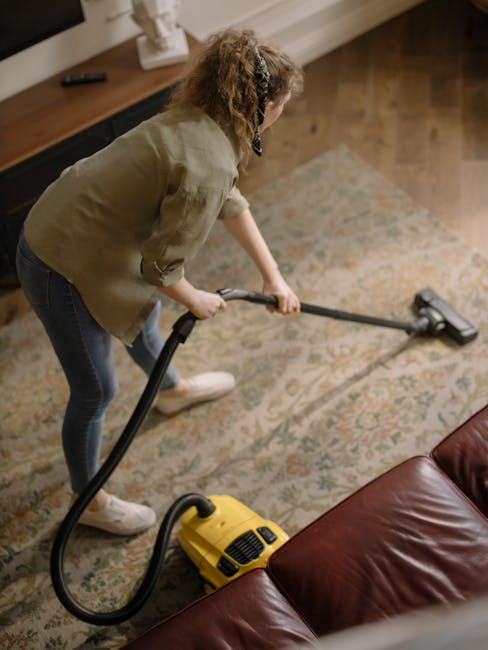
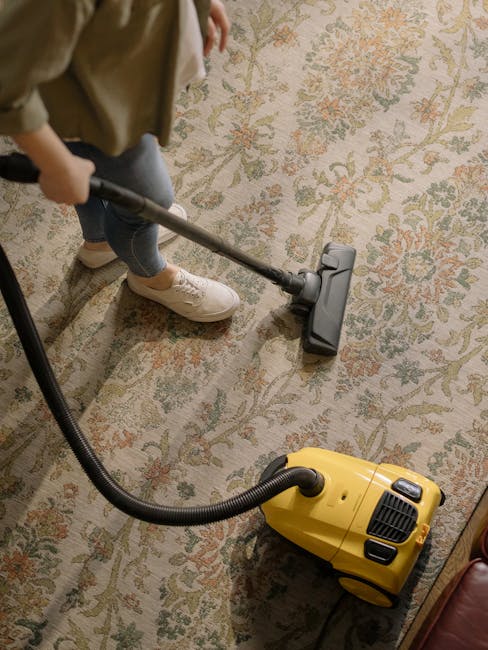
At home, the process starts with vacuuming in a slow, deliberate way. Quick passes are better than nothing, but they often miss the dirt sitting lower in the fibres. Once the loose debris is gone, you can assess spots and stains more clearly. This is the stage where many people make a mistake by scrubbing immediately. Scrubbing spreads the mark, flattens the pile, and sometimes drives the stain deeper. Annoying, but common.
For spot cleaning, a mild detergent solution or an appropriate specialist product may help, but the method matters just as much as the product. Blot first. Apply sparingly. Work from the outside of the stain inward only if the product instructions say so. And always test in a hidden area first, because not every carpet reacts the same way. Wool, for example, behaves differently from synthetic blends.
Deep cleaning is where methods diverge. Some households use portable machines, some hire equipment, and some book a professional steam carpet cleaning service when the carpet needs a proper reset. Steam cleaning usually means hot water extraction rather than literal steam alone, and it can lift embedded dirt when done correctly. The downside is drying time, which is why ventilation matters so much in London homes where windows may only open a little. Little details like that make a big difference.
If the issue is not just dirt but a specific mark, a tailored stain removal approach can be more effective than a general clean. And when smells are part of the problem - pets, spills, or a stubborn stale patch near the sofa - it can help to look at pet stain odour removal or similar specialised treatment rather than trying to mask the issue with fragrance sprays.
Key Benefits and Practical Advantages
The obvious benefit is appearance. Fresh carpets make a room feel lighter and better cared for. But to be fair, the less obvious gains often matter more. A clean carpet can reduce the gritty feel underfoot, improve vacuuming efficiency, and make day-to-day tidying quicker because dust and crumbs are easier to detect.
- Better hygiene: regular soil removal helps prevent grime from building up in busy walkways.
- Longer carpet life: less embedded dirt means less fibre wear over time.
- Improved indoor comfort: the room feels fresher, softer, and more pleasant.
- Faster spill recovery: stains are easier to treat before they set.
- Better presentation: useful for families, landlords, or anyone preparing for guests.
There is also a helpful knock-on effect. Once you establish a routine, carpet care stops feeling like a huge job. A five-minute spot check after a muddy day, a slower weekly vacuum, and a seasonal deep clean often prevent that "how did it get this bad?" moment. We have all had one of those, usually right before someone comes round.
For homes with mixed soft furnishings, carpet cleaning can be part of a wider maintenance plan. A dusty hallway rug, tired sofa arms, and a stained carpet often happen together. Coordinating care across the room helps the whole space feel consistent. If that sounds familiar, related services like rug cleaning, sofa cleaning, and upholstery cleaning can make more sense than tackling each item in isolation.
Who This Is For and When It Makes Sense
This advice is useful for almost anyone with carpeted floors, but it is especially relevant if your home sits on a busy route to Lloyd Park, you have children or pets, or you are dealing with older carpet that shows wear easily. If you can see a darker path across a hallway or around the sofa, that is a sign the fibres are holding onto soil and need more attention.
It also makes sense for renters and landlords. Tenanted homes often need a sensible middle ground: good enough maintenance to keep carpets presentable, without over-wetting or using harsh chemicals that might create a bigger problem. In our experience, a cautious approach works best in flats and maisonettes where drying time is limited and noise from equipment can be a concern.
Families with allergies or sensitivities may prefer a more consistent cleaning routine too. While carpet itself is not the enemy, the dust and fine debris that settle into it can become annoying if left too long. That is especially true in rooms used all day, every day. And if you have a dog that loves the park? Well, let's just say paws bring their own opinions about your hallway.
If the carpet has a delicate fibre, a long-standing stain, or a bad odour that keeps returning, a deeper professional approach is usually worth considering. You do not need to wait until the carpet looks terrible. Sometimes earlier intervention saves a lot of grief later.
Step-by-Step Guidance
Here is a practical routine you can follow without turning the whole house upside down.
1. Start with dry soil removal
Vacuum thoroughly before any wet cleaning. Move slowly across the carpet, especially in walkways, under furniture edges, and at the front door. If you rush this part, the wet clean can turn dust into a paste. Nobody wants that.
2. Identify the type of mark
Not all stains behave the same. Mud, grease, food, drinks, pet accidents, and ink each need a slightly different approach. A dry brown patch from outside soil will respond differently from a sugary spill or an oily mark. Knowing the source helps you avoid guessing.
3. Blot, don't scrub
Use a clean cloth or paper towel and press gently. Work methodically. If you rub hard, the fibres can distort and the stain can spread sideways. A little patience here usually beats brute force. It really does.
4. Use the smallest effective amount of solution
Excess liquid can soak into the underlay, which means longer drying times and a greater risk of odour. Apply carefully, then blot again. If the stain lifts, stop. Over-cleaning can leave a visible ring or a sticky patch that attracts more dirt.
5. Rinse lightly if needed
Some products leave residue if they are not removed properly. A lightly damp cloth can help, but avoid soaking the area. On many carpets, less is more. That is one of those annoying cleaning truths that keeps proving itself.
6. Dry the area well
Open windows where possible, use airflow, and keep foot traffic off the area until it is dry. In a Walthamstow home, especially during damp weather, drying time can be slower than expected. If you are cleaning in the evening, plan for overnight drying rather than hoping for the best.
7. Review the result in daylight
Artificial light can hide a faint stain or a patch of residue. Check again in the morning if you can. That final look often tells you whether the area needs another gentle pass or whether it is better left alone.
Expert Tips for Better Results
Small habits make the biggest difference. One of the best things you can do is put a mat at the entrance and actually use it. Sounds obvious, but people still walk straight in with damp shoes and then wonder why the hall carpet looks tired.
Another useful trick is to clean from the outside in, not the middle out, unless a product suggests otherwise. That helps stop the stain spreading. And if you are dealing with a patch near a wall or skirting board, use less liquid than you think you need. Edges are easy to over-wet and slow to dry.
For high-traffic homes, a regular low-pressure routine is better than occasional aggressive cleaning. Think vacuuming, quick blotting, and seasonal deep treatment. If you leave everything for six months, the carpet will often need more intensive work and the results may still be uneven. That is just how fibres behave.
Here are a few practical refinements:
- Use a vacuum with good suction and a brush setting suitable for your carpet type.
- Deal with spills while they are fresh, especially sugary drinks and food sauces.
- Keep a small clean cloth kit handy rather than searching for one after the mess has spread.
- Air the room after cleaning to reduce lingering moisture and odour.
- Move light furniture occasionally so dirt does not build up in fixed patterns.
If your carpet has a textured or looped pile, go gentler. Those surfaces can snag or look crushed if treated too roughly. Likewise, wool-rich carpets usually need more care than standard synthetic ones. When in doubt, slower and milder is safer.
Common Mistakes to Avoid
Some carpet mistakes are almost universal, and yes, most of us have made at least one.
- Scrubbing hard: this can damage fibres and spread stains.
- Using too much water: it slows drying and may affect the underlay.
- Skipping vacuuming first: loose dirt turns a clean into a muddy mess.
- Testing nothing: always check a hidden area before using any product widely.
- Mixing cleaning products: this is risky and rarely improves results.
- Ignoring odour: a smell usually means the issue has gone deeper than the surface.
- Leaving stain treatment too long: the longer you wait, the more stubborn it becomes.
One particularly common mistake is trying to rescue a stain with repeated applications. If the first attempt only partly works, more product is not always the answer. Sometimes a carpet needs professional treatment, or at least a pause before the next step. Pushing on too fast can make the patch larger and more noticeable.
Another one: relying only on fragrance spray. That can make the room smell nicer for half an hour, but it does not address the actual problem. The carpet still knows. A bit dramatic, perhaps, but true.
Tools, Resources and Recommendations
You do not need a van full of equipment to keep carpets in good condition. In most Walthamstow homes, a modest set-up works fine if you use it properly.
| Tool or method | Best for | What to watch for |
|---|---|---|
| Upright vacuum | Routine maintenance and dry soil | Check brush settings and empty the bag or bin regularly |
| Microfibre cloths | Blotting fresh spills | Use clean cloths only, otherwise you may transfer dirt |
| Mild carpet cleaning solution | General spot treatment | Always test first and avoid over-wetting |
| Portable extraction machine | Deeper home cleaning | Drying time matters; poor use can leave residue |
| Professional cleaning service | Embedded dirt, odours, and stubborn stains | Ask what method is used and how drying is managed |
If you are comparing service options, it helps to understand the difference between routine maintenance and more intensive cleaning. For example, some homes benefit from targeted carpet cleaning, while others need the deeper action of steam carpet cleaning to lift embedded debris. The right choice depends on the carpet type, the stain, and how much traffic the room gets.
For general household planning, you may also want to look at the broader support pages on pricing and quotes, insurance and safety, and recycling and sustainability. Those pages help with practical decision-making, especially if you want to understand how a provider handles safety, payment confidence, and environmental considerations.
Law, Compliance, Standards and Best Practice
For most homeowners, carpet cleaning is simple household maintenance rather than a regulated task. Still, best practice matters. If you invite a contractor into your home, you should expect sensible safety procedures, respectful conduct, clear communication, and appropriate insurance. That is normal, and it is fair to ask about it.
In the UK, professional cleaners commonly follow careful risk assessment habits, safe chemical handling, and reasonable drying guidance. They should be able to explain what they are using, how it affects different fibres, and what you should do after the clean. If someone is vague about those basics, that is not ideal.
For households with children, pets, or mobility concerns, safer practice is especially important. Keep walkways clear, ventilate where possible, and do not allow wet carpet to become a slip hazard. If a service provider works in your home, it is sensible to look for clear policies on health and safety and whether they provide practical reassurance around insurance and safety.
Privacy and payment handling also matter when you are booking a home service. It may sound boring, but details like transparent terms, fair complaints handling, and secure payment processes are part of a trustworthy experience. If you are checking a company before booking, pages such as terms and conditions, payment and security, and complaints procedure can be genuinely useful. Not exciting, but useful.
Options, Methods, or Comparison Table
Different homes need different approaches. Here is a simple comparison to help you choose the right route.
| Method | Best for | Pros | Limitations |
|---|---|---|---|
| Routine vacuuming | Weekly upkeep | Fast, affordable, prevents soil build-up | Won't remove set-in stains or deep dirt |
| Spot cleaning | Fresh spills and small marks | Quick, targeted, low-cost | Can spread stains if done badly |
| Portable machine cleaning | Moderate grime in smaller areas | More thorough than hand cleaning | Drying time and residue risk if overused |
| Professional carpet cleaning | Heavily used rooms, odours, older carpets | Better extraction, better finish, less guesswork | Higher cost than DIY |
| Steam-based deep cleaning | Embedded dirt and stubborn traffic lanes | Can restore a tired-looking carpet well | Needs proper drying and careful technique |
For a lot of households, the real answer is not one method only. It is a combination. Weekly vacuuming, quick stain control, and occasional deep cleaning is usually the sweet spot. That balanced approach is often better than overbuying equipment you will rarely use.
Case Study or Real-World Example
A family living close to Lloyd Park had a hallway carpet that kept going from "fine" to "why is this so grey?" every few months. The issue was not a single large stain. It was layered grime from shoes, a pushchair, a dog, and a lot of daily passing through. The carpet looked clean after vacuuming, but in daylight the traffic lanes were still obvious.
They started with a better routine rather than a dramatic one. Shoes came off at the door. The hallway was vacuumed more slowly, especially along the edges. Fresh muddy marks were blotted immediately with a clean cloth instead of being scrubbed. That alone helped a lot. Then, after a particularly wet stretch of weather, they arranged a deeper clean because the carpet had clearly gone beyond what home care could fix properly.
The noticeable change was not just colour. The carpet felt less sticky underfoot, the room smelled fresher, and the hallway stopped looking tired by midweek. That is the sort of improvement people notice quickly, even if they do not say it out loud. The home just feels easier.
It was a good reminder that carpet care is rarely about perfection. It is about stopping a manageable problem becoming an expensive one.
Practical Checklist
Use this quick checklist before, during, and after cleaning.
- Vacuum slowly before applying any liquid.
- Check the carpet type if you are unsure about fibre sensitivity.
- Blot fresh spills instead of rubbing them.
- Test any cleaner in a hidden spot first.
- Use only enough liquid to treat the stain.
- Keep windows open or improve airflow where possible.
- Leave the area to dry fully before heavy foot traffic returns.
- Recheck the stain in daylight.
- Book deeper cleaning when traffic lanes stay visible after routine care.
- Keep a simple record of recurring stains or problem rooms, especially in rental homes.
Quick reminder: if a patch keeps reappearing, it may be residue, wicking from below the surface, or an odour source in the underlay. That is the point where a more experienced approach usually pays off.
Get a free quote today and see how much you can save.
Conclusion
Keeping carpets fresh in a Lloyd Park home is not about making life spotless or pretending muddy shoes never happen. It is about using a smart routine that fits the way people actually live in Walthamstow: busy mornings, park walks, guests popping in, pets on the move, and the odd spill that arrives with no warning. If you focus on dry soil removal, gentle stain treatment, good drying, and periodic deep cleaning, you will usually stay ahead of the problem.
If your carpet is already looking worn, patchy, or stubbornly dull, do not wait until it gets worse. A careful refresh now is often simpler, kinder to the fibres, and far less stressful than leaving it too long. And once the room feels fresh again, you really do notice it every time you walk in. A small thing, maybe. But a good small thing.
Frequently Asked Questions
How often should I clean carpets in a Walthamstow home?
Most homes benefit from weekly vacuuming, immediate spill treatment, and a deeper clean every so often depending on traffic. Homes near Lloyd Park with pets or children may need more frequent attention.
What is the best way to clean muddy footprints from carpet?
Let the mud dry if it is wet, vacuum up the loose soil, then blot any remaining mark with a lightly damp cloth and a suitable cleaner. Avoid scrubbing, because that usually pushes the dirt deeper.
Can I use a steam cleaner on every type of carpet?
No, not automatically. Some carpets tolerate hot water extraction better than others. Wool-rich or delicate carpets need more care, so always check the fibre type before using a steam-based method.
Why does my carpet look clean after vacuuming but still feel dirty?
Vacuuming removes loose soil, but it does not always lift embedded grime, residue, or old spills. That is why a carpet can look acceptable in one light and still feel slightly gritty or dull.
How do I stop a stain from coming back after cleaning?
Use as little liquid as possible, blot thoroughly, and dry the area well. If a stain returns, it may be wicking up from beneath the surface, which often needs a more thorough clean.
Are supermarket carpet cleaners safe for all carpets?
Not always. Some products are fine for synthetic carpets but too harsh for wool or sensitive fibres. Test in a hidden spot first and follow the product instructions carefully.
What should I do first after a spill?
Blot the spill immediately with a clean cloth or paper towel. Do not rub. The faster you remove the moisture, the less likely it is to set into the fibres.
When should I book a professional carpet clean instead of doing it myself?
If the carpet has widespread dullness, stubborn stains, pet odours, or heavy traffic marks, a professional clean is usually the more sensible option. It is especially helpful when home methods stop making a visible difference.
How long does carpet take to dry after deep cleaning?
Drying time varies with ventilation, carpet thickness, and cleaning method. In a typical home, it may take several hours or longer. Good airflow makes a real difference, especially in damp weather.
Can carpet cleaning help with pet smells?
Yes, but only if the source is properly treated. Surface fragrance sprays only mask the smell. If pets are part of the issue, a focused odour treatment is usually needed.
Is carpet cleaning worth it for older carpets?
Often, yes. Even older carpets can look and feel noticeably better after a proper clean, provided the fibres are still structurally sound. Sometimes a carpet does not need replacing; it just needs a decent reset.
What is the safest cleaning approach for a family home?
A low-moisture, fibre-safe approach is usually best: vacuum thoroughly, spot clean carefully, ventilate well, and avoid harsh products or excessive water. That keeps the process practical and reduces the risk of slips or lingering dampness.
For homes around Lloyd Park, the best carpet cleaning habit is the one you can actually keep up. Small, steady care wins most of the time - and when it does not, there is no shame in getting proper help. That is just sensible housekeeping, really.