Hoe Street upholstery cleaning near Walthamstow Market E17: a practical local guide for cleaner, longer-lasting furniture
If your sofa is looking a bit tired, your dining chairs have lost their colour, or the arm of that favourite armchair has picked up one too many coffee marks, you are not alone. Hoe Street upholstery cleaning near Walthamstow Market E17 is one of those jobs people put off until the fabric starts to look dull every time the light hits it. Then suddenly it becomes impossible to ignore.
This guide walks you through what upholstery cleaning involves, why it matters in a busy part of east London, how the process usually works, and how to choose the right approach for your furniture. It also covers common mistakes, practical expectations, and the sort of checks that help you feel confident before booking. Let's face it, furniture is expensive. Looking after it properly just makes sense.
Why Hoe Street upholstery cleaning near Walthamstow Market E17 matters
Upholstery takes a beating in a way people often underestimate. Unlike a hard surface, fabric absorbs oils from skin, dust, crumbs, drink spills, pet hair, and everyday traffic. Over time, that build-up changes how furniture looks, smells, and feels. Near Walthamstow Market, where homes, cafes, rentals, shared flats, and family spaces all tend to see a lot of use, that wear can show quickly.
Clean upholstery is not only about appearance. It can help furniture last longer, keep indoor spaces feeling fresher, and make a room look cared for without replacing anything. That matters if you are preparing a property for tenants, refreshing a busy family lounge, or just trying to get another few years out of a good sofa. It is a small thing, perhaps, but it changes the feel of a room more than people expect.
There is also a practical side. A chair or sofa that has been professionally cleaned can be easier to maintain afterwards. Dirt trapped in fibres tends to make fabric look worn long before the structure is actually damaged. Remove that dirt properly and the fabric often looks brighter straight away. Not brand new, obviously. But better. Much better.
If your wider soft-furnishing care needs include curtains, rugs, or mattresses as well, it can make sense to look at related services like curtain cleaning, rug cleaning, or mattress cleaning. That way, the whole room feels coherent rather than just one item being fresh while everything else still looks a bit tired.
How Hoe Street upholstery cleaning near Walthamstow Market E17 works
Most upholstery cleaning follows a simple logic: inspect the fabric, identify the fibre and the type of soiling, choose the safest method, then clean with controlled moisture and the right product strength. The exact process depends on the furniture type, the fabric label, and whether there are stains, odours, or heavy traffic marks.
In practical terms, a proper clean usually starts with dry soil removal. That means vacuuming and loosening dust, crumbs, hair, and grit from seams and creases. After that comes testing a discreet area. This step matters more than people realise. A quick test can show whether colour will transfer, whether the fabric responds well to water-based cleaning, or whether a more cautious approach is needed. Nobody wants a surprise patch in the middle of the seat, do they?
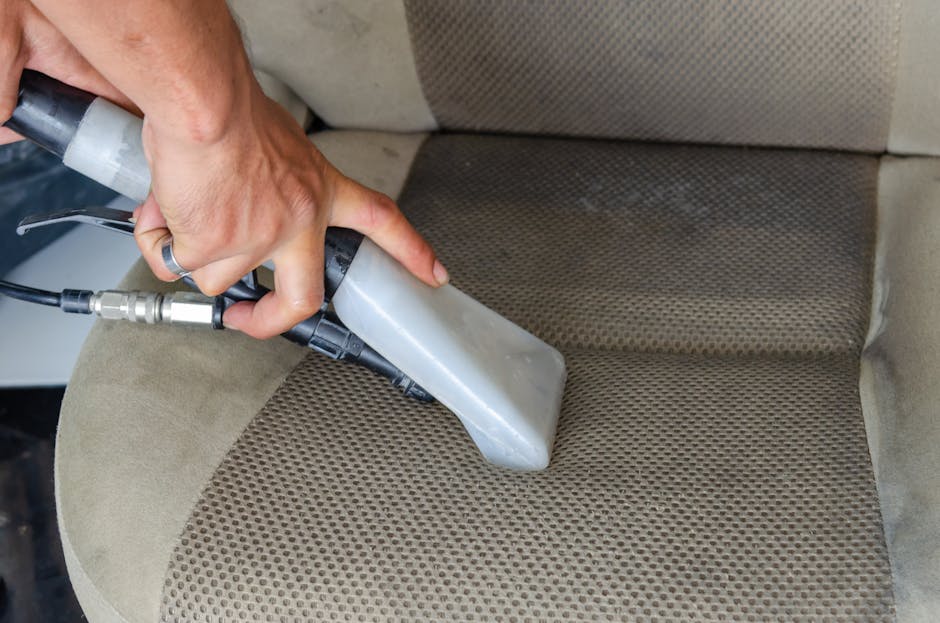
Then comes the main cleaning stage. For many fabrics, controlled hot water extraction or low-moisture cleaning is used, depending on the material and the condition of the item. A specialist may also target spots separately with stain treatment, especially on armrests, headrests, and the front edge of cushions where oils and grime tend to build up. After cleaning, the item should be left to dry in a way that avoids over-wetting and helps prevent lingering damp smells.
For some jobs, upholstery cleaning is best understood alongside sofa cleaning and stain removal. Those services overlap, but they are not quite the same thing. Sofa cleaning focuses on the whole piece. Stain removal targets the more stubborn marks that need extra attention.
Key benefits and practical advantages
There are several good reasons to invest in upholstery cleaning rather than waiting until furniture looks beyond help. Some are obvious. Some are surprisingly practical.
- Better appearance: fabric looks brighter, colour appears more even, and the whole room feels cleaner.
- Longer furniture life: removing abrasive dirt helps reduce gradual wear on fibres.
- Improved freshness: odours from spills, pets, and daily use are less likely to linger.
- More comfortable living space: fewer crumbs, dust pockets, and sticky patches make furniture nicer to use.
- Better presentation for rentals or sales: a clean sofa or armchair can lift the impression of an entire property.
- Cost-conscious maintenance: cleaning often delays replacement, which is especially useful for quality furniture.
There is also a subtle but real psychological effect. A freshly cleaned sofa tends to make people tidy the rest of the room too. It changes the mood. You sit down, notice the fabric feels cleaner under your hand, and the whole space seems less cluttered. Small win, but a proper one.
For many homes, upholstery care works best as part of a wider maintenance plan. If your chairs, rugs, and carpets all show the same signs of daily use, consider combining services such as carpet cleaning or steam carpet cleaning so the room feels consistently refreshed.
Who this is for and when it makes sense
To be fair, almost anyone with upholstered furniture can benefit from cleaning at some point. But some situations make it especially worthwhile.
Homeowners and renters often notice that sofas and chairs collect grime faster than expected, especially in smaller rooms where furniture gets constant use. If you live near the market and the day-to-day routine is busy, there is usually not much time for deep maintenance. That is normal.
Families with children may need upholstery cleaning more often because of snacks, sticky fingers, and the occasional "I did not see that cup on the arm of the chair" moment. It happens. More than once, in many homes.
Pet owners are another obvious group. Pet hair, odour, and the odd accident can seep into fibres quite deeply. In those cases, a specialist service such as pet stain odour removal may be the right next step rather than a standard clean alone.
Landlords and letting agents often use upholstery cleaning between tenancies to improve presentation and reduce complaints about stale smells or visibly worn seating. It is one of those jobs that quietly supports the whole handover process.
Local businesses with waiting areas, private offices, or staff rooms may also need it, especially if soft seating is part of the customer experience. In those settings, it can complement broader services such as commercial carpet cleaning.
If a chair has a fragile antique fabric, silk blend, or unusual finish, the decision is a little more cautious. In those cases, it is wise to ask for advice first rather than pushing ahead with a standard process. Different fabrics react very differently, and a wrong move can be expensive.
Step-by-step guidance
Here is a practical way to think about the process if you are booking upholstery cleaning near Hoe Street or simply preparing furniture for a professional visit.
- Check the fabric label or care instructions. If the label says dry clean only, solvent-based care, or something specific, make a note of it before booking.
- Look at the problem honestly. Is it general dullness, a stain, an odour, pet hair, or all four? The answer affects the approach.
- Vacuum the item lightly if you can. This is not essential, but it helps remove loose crumbs and dust from seams.
- Move small items away. Cushions, throws, and ornaments should be cleared so the cleaner can reach the full surface.
- Flag specific issues in advance. Mention ink, red wine, food, makeup, pet accidents, or fabric damage. Guessing later is not ideal.
- Ask how the method suits your fabric. A proper upholstery clean should not be a one-size-fits-all job.
- Plan for drying time. Keep the room ventilated and avoid using the furniture too soon.
- Do a final check after drying. Some marks look lighter while damp and clearer once fully dry, so it is worth waiting before judging the result.
A simple rule helps here: the more precise you are at the start, the better the result is likely to be. That sounds obvious, but it saves trouble later.
Expert tips for better results
There are a few things that consistently improve upholstery cleaning outcomes, and they are not complicated.
First, do not wait too long after a spill. A fresh stain is usually easier to treat than one that has been rubbed in, overheated, or left to dry for days. Blot, don't scrub. Scrubbing tends to drive the mark deeper. Everyone says they know this, then panics and scrubs anyway. Human nature.
Second, be honest about fabric history. If you have used a supermarket spray, a steam cleaner, or a home remedy already, say so. Residues from previous products can affect cleaning results. That little detail matters.
Third, manage expectations around stubborn marks. Some stains fade dramatically, others only partially. Dye transfer, bleach spots, sun fading, and worn pile are not really "dirt" at all. They may improve in appearance, but they will not magically disappear. It is better to know that upfront.
Fourth, ventilation helps a lot. Opening windows, keeping air moving, and allowing room to breathe can reduce drying time. Near a busy street like Hoe Street, people sometimes worry about dust coming in, but a short, controlled airing is usually still worth it.
Fifth, ask about fabric-specific care. Leather-like finishes, velvet, chenille, wool blends, and synthetic mixes all behave differently. A good technician should explain the logic clearly, without hiding behind jargon.
If you want a broader refresh rather than a single item clean, it can be sensible to pair upholstery work with rug cleaning or even curtain cleaning. That tends to give a much more balanced finish to a room.
Common mistakes to avoid
Upholstery cleaning is straightforward in principle, but a few common mistakes can cause avoidable damage or disappointing results.
- Using too much water: over-wetting can leave rings, slow drying, or a damp smell.
- Rubbing stains aggressively: that often spreads the mark or damages the pile.
- Ignoring the fabric type: one method does not suit every textile.
- Skipping a test patch: this is a risky shortcut, especially on delicate or coloured fabrics.
- Expecting every stain to vanish: some marks are permanent or partly permanent.
- Using strong household chemicals without checking: this can bleach, distort, or harden fabric.
- Putting cushions back too soon: trapped moisture can undo the benefits of the clean.
One more thing: if the furniture has structural issues such as sagging cushions, loose seams, or damaged webbing, cleaning will not fix those. It may make the item look better, yes, but it is not a repair service. That distinction matters.
Tools, resources and recommendations
You do not need specialist equipment at home to prepare for a professional upholstery clean, but a few everyday items are useful.
- A soft brush attachment for vacuuming: helpful for seams and textured fabric.
- White towels or microfibre cloths: useful for blotting light spills before they set.
- Good room ventilation: open windows and fresh air help after cleaning.
- Furniture labels or care notes: these guide the safest method.
- Photo notes of stains before treatment: useful if you need to explain the issue clearly.
On the service side, some homeowners prefer a whole-home approach. That might mean upholstery cleaning alongside mattress cleaning and stain removal, especially after guests, a house move, or a long period of heavy use.
If you want to understand service expectations, payment handling, and policy basics before you book, it is sensible to review the company's pricing and quotes, payment and security, and terms and conditions. Those pages help set clear expectations, which is always a good thing.
Law, compliance, standards, or best practice
For most domestic upholstery cleaning jobs, the practical focus is on safe methods, clear communication, and sensible handling of materials. There usually is not a complicated legal process for the customer, but there are still good standards to look for.
In the UK, responsible cleaning providers should be able to talk plainly about health and safety, insurance, and how they handle access, equipment, and products. If a service is working in a home, a rented property, or a commercial setting, it should also be mindful of slips, electrical safety, and protecting nearby surfaces.
That is why documents like a health and safety policy and insurance and safety information are useful trust signals. They do not guarantee perfection, of course, but they do show the business has thought through the basics.
Environmental care is another sensible consideration. Good practice usually means using only as much product and moisture as needed, avoiding unnecessary waste, and disposing of materials responsibly. If that matters to you, check a company's recycling and sustainability approach.
If you have accessibility needs, it is also reassuring when a business makes its information clear and easy to use. A transparent accessibility statement can be a helpful sign that the company takes user experience seriously, not just marketing.
Options, methods, or comparison table
Different upholstery cleaning methods suit different situations. The best choice depends on fabric, stain type, and how quickly the item needs to be ready again.
| Method | Best for | Advantages | Possible drawbacks |
|---|---|---|---|
| Hot water extraction | Durable fabric upholstery, general deep cleaning | Good soil removal, strong for embedded dirt | Needs careful moisture control and drying time |
| Low-moisture cleaning | Softer fabrics or quicker turnaround needs | Faster drying, less saturation | May not suit every heavy stain |
| Targeted stain treatment | Specific marks such as food, drink, or pet stains | Focused approach, useful as part of a wider clean | Not always enough on its own |
| Combined upholstery and fabric care | Whole-room refresh, rental turnover, family homes | Consistent finish across furniture and other textiles | May take longer to plan and dry |
In plain English: if your furniture is generally dirty, go for a deeper method. If the item is more delicate, faster drying or gentler cleaning may be better. If the problem is one specific stain, ask for targeted treatment rather than assuming a general clean will solve everything.
Case study or real-world example
Here is a realistic example from the kind of job people often need near Walthamstow Market. A family in a busy flat had a three-seater sofa that looked fine from a distance, but up close the arms were darkened, the seat cushions had food marks, and there was a faint smell that seemed to linger after weekends at home. Nothing dramatic. Just everyday life, really.
Before any cleaning started, the upholstery was inspected for the fabric type and the most affected areas were identified: arms, seat fronts, and the back cushions. The cleaner used targeted stain treatment first, then a controlled upholstery cleaning method for the full piece. The sofa was left to dry with proper airflow, and the family kept off it for a while, which they later admitted was harder than expected because, well, where else does everyone sit?
By the end, the colour looked more even, the room smelled fresher, and the furniture no longer drew the eye for the wrong reasons. Not every mark vanished completely. A couple of older spots remained faintly visible. But the overall change was strong enough that the sofa felt like part of the room again, rather than something they were quietly apologising for.
That is often the real value of upholstery cleaning. It does not have to be perfect to be worthwhile. It just needs to restore comfort, freshness, and pride in the space.
Practical checklist
Use this quick checklist before booking or carrying out upholstery cleaning near Hoe Street.
- Identify the furniture type and fabric if you can.
- Note any stains, odours, or problem areas.
- Take a photo of damage or marked areas before cleaning.
- Check whether the item is delicate, antique, or labelled for special care.
- Clear the area around the furniture for access.
- Ask about the method and drying time.
- Confirm whether stain treatment is included or needs to be separate.
- Make sure there is ventilation for drying afterwards.
- Check payment details and service terms in advance.
- Review the company's approach to health and safety and insurance.
Expert summary: the best upholstery cleaning is the one matched to the fabric, the stain, and the way you actually use the room. That sounds simple because, at heart, it is. But getting those three things right makes all the difference.
Get a free quote today and see how much you can save.
Conclusion
Hoe Street upholstery cleaning near Walthamstow Market E17 is not just about making a sofa look nice for a day. It is about caring for the pieces you use every week, protecting a decent investment, and keeping your home or business space feeling comfortable and presentable. Whether you are tackling old stains, pet odours, heavy use, or just a slow build-up of dullness, the right clean can make a real difference.
If you take away one thing, let it be this: choose the cleaning method that fits the fabric, not the other way around. Ask sensible questions. Expect honesty about results. And give the furniture time to dry properly. That alone avoids a lot of disappointment.
If you are considering a broader refresh, it may also be worth looking at related services such as upholstery cleaning, sofa cleaning, and stain removal so the whole room feels pulled together again. A small reset can go a long way, especially in a busy neighbourhood where life does not exactly pause for housework. And honestly, that fresh-fabric feeling is a lovely thing when the job is done.
Frequently Asked Questions
How often should upholstery be cleaned near Walthamstow Market E17?
It depends on use, fabric, pets, children, and how quickly marks build up. Busy household furniture usually needs attention more often than a rarely used spare chair. If the fabric looks dull or smells stale before then, that is a good sign it is time.
Can all upholstery fabrics be wet cleaned?
No, not all fabrics suit the same approach. Some materials handle controlled moisture well, while others need a gentler or drier method. Always check the care label and ask for a fabric-appropriate clean.
Will upholstery cleaning remove every stain?
Not always. Fresh stains and everyday grime often respond well, but old dye transfer, bleach marks, sun fading, and some set-in stains may only improve partially. A good cleaner should explain that clearly before starting.
How long does upholstered furniture take to dry?
Drying time varies by fabric, method, room temperature, and ventilation. Low-moisture methods usually dry faster than deeper extraction cleaning. It is best to allow plenty of time and avoid sitting on the furniture too early.
Is upholstery cleaning safe for homes with children and pets?
It can be, provided suitable products and careful methods are used and the furniture is left to dry fully before use. If you have concerns, ask what is being applied and how long to keep children or pets away from the item.
What is the difference between sofa cleaning and upholstery cleaning?
Sofa cleaning is a type of upholstery cleaning, but upholstery cleaning covers a wider range of items such as armchairs, dining chairs, ottomans, and other fabric-covered furniture. The principles are similar, but the item and fabric always matter.
Should I book stain removal separately?
If you have a stubborn or unusual stain, yes, it can help to mention it separately. Some jobs need targeted stain treatment before or alongside a general clean. That gives the best chance of improving the mark without risking the fabric.
Can upholstery cleaning help with pet smells?
Yes, especially if the odour is in the fibres rather than from a deeper structural issue. For stronger pet-related problems, a dedicated pet stain odour removal approach may be more suitable than a standard clean alone.
Do I need to vacuum before the cleaner arrives?
It helps, but it is usually not essential. A quick vacuum can remove loose debris, though the cleaner will normally do a more thorough pre-clean anyway. Clear access and good communication matter more than making the furniture spotless beforehand.
How do I know if a cleaning company is trustworthy?
Look for clear information on services, pricing, payment, insurance, and safety. A sensible business will also have straightforward policies and explain the process without dodging questions. If everything sounds vague, that is usually worth noticing.
Is upholstery cleaning worth it for older furniture?
Often, yes. If the frame and fabric are still in decent condition, cleaning can revive an older piece and delay replacement. It is especially worthwhile when the item is comfortable and well-made, even if the surface has started to look tired.
Can upholstery cleaning be done in a commercial setting?
Absolutely. Waiting areas, offices, and client-facing spaces often benefit from regular fabric care. In those cases, coordinating with commercial carpet cleaning can help keep the whole environment consistent and professional.
What should I do before an upholstery clean?
Identify the fabric if possible, note any stains or odours, clear the area, and ask about the method and drying time. If you have already tried a home product, mention that too. That small bit of preparation often makes a real difference.